This tutorial shows how to configure a cluster with two DualShield servers. This cluster is load-balanced by Kemp LoadMaster.
Table of Contents
Import SSL Cert
If you are securing your DualShield Servers va are SSL enabled then you will need to import your the DualShield's SSL certificates to the LoadMaster
Log into Kemp LoadMaster console and Navigate to "Certificate & Security> SSL Certificates" :
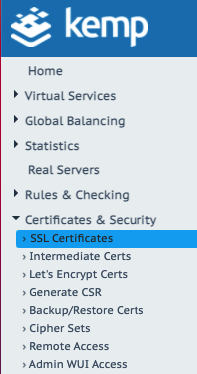
Click "Import Certificate" button on the top right.

Here you can import your private/public key, or upload a PFX file.
...
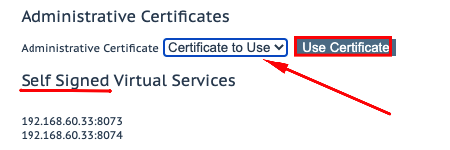
Once you Save the Certificate file, please select it from the drop down and then click on Use Certificate.For my test I am just using the inbuilt Self Signed.
In the example below, a self-signed cert is being used:
Create Virtual Services with TLS Termination
A DualShield server hosts a number of services. Each services service works on a specific port. Below is a list of DualShield services and their port numbers:
| Service Name | Port | Short Name |
|---|---|---|
| Administration | 8070 | |
| Authentication | 8071 | |
| Provision | 8072 | DPS |
| Management Console | 8073 | DMC |
| SSO Service | 8074 | SSO |
| SSO Management | 8075 | |
| Self-Service Console | 8076 | DSS, DSC |
In this example, we're For my exampole I am going to create a Virtual Service for Ports on ports 8073 and 8074 .Tha for the Administration/Management Console and Single Sign-on Portsservices, respectively.
Navigate to "Virtual Services > View/Modify Services".
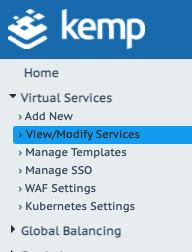
Click "Add New" from either in the main menu or within View/Modify Services screen
...
Now specify the Virtual IP address you wish to use, The Port number (In my this example I shall we use Port port 8073) and the Protocal will be TCP
...
Basic Properties set the Service type to HTTP-HTTPS/2-HTTPS (see picture above)
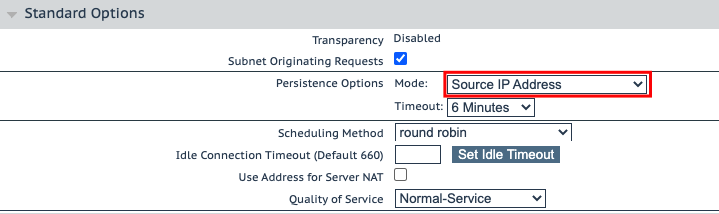
Standard Options set set Mode in Persitance Persistence Options to Source IP (See picture below)
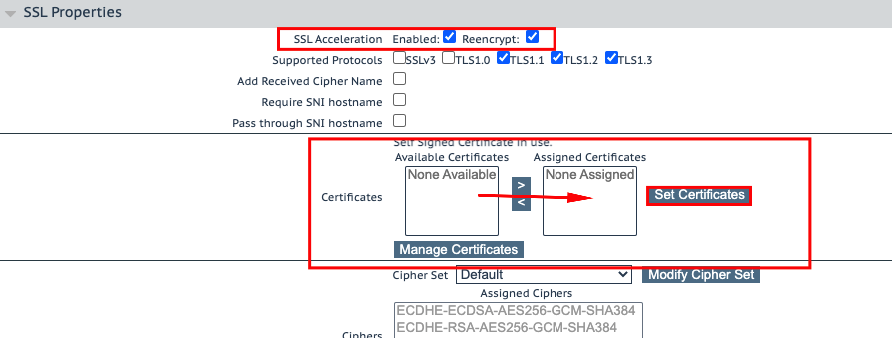
SSL Properties , enable SSL Accelration and check Reencrypt.In the SSL Properties section, enable the SSL Acceleration and Reencrypt option.
In the Certificates section Highlight , highlight the certificate you imported earlier and move it accross across to the box on the right hand box, then click Set Certificates.
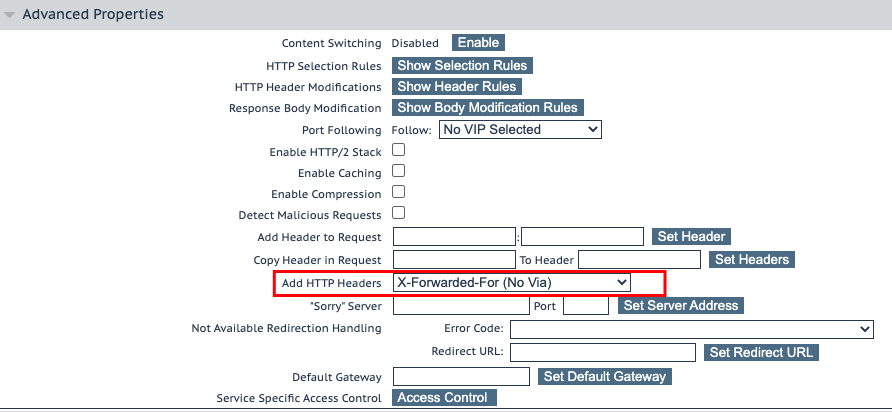
Advanced Properties in the section Add HTTP Headers In the Advanced Properties section, select X-Forwarded-For (No Via) From the Add HTTP Headers drop down list
We are going to add real servers.
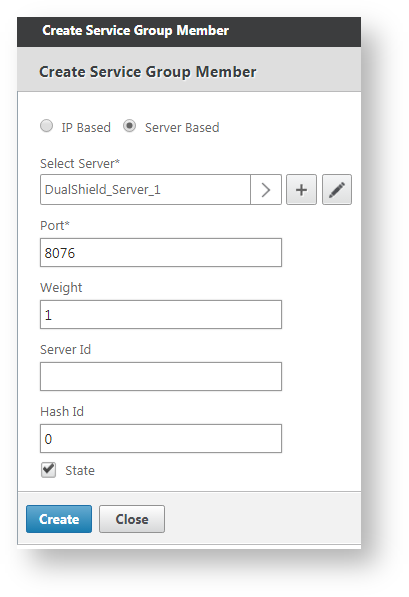
Select a real server, i.e. DualShield-Server_1, enter the port number that the service works on, i.e. 8076 for DSS (DualShield Self-Service Console)
Click "Create" to create the service group.
Repeat the same step above to add all real servers, i.e. DualShield_Server_2.
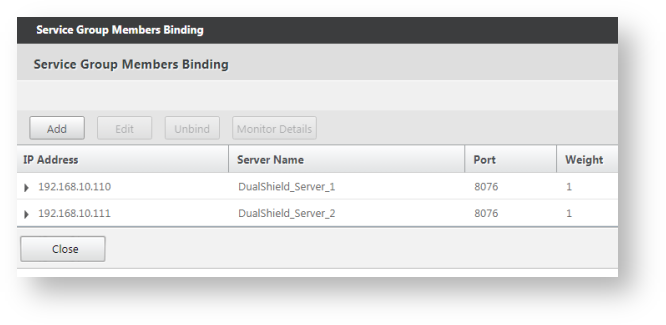
Now, we have create a service group called "DualShield_DSS" for the DualShield Self-Service Console. This group includes 2 real servers: "DualShield-Server_1" and "DualShield-Server_2"
Repeat the same steps above to create service groups for other DualShield services, such as: SSO, DMC, DPS, etc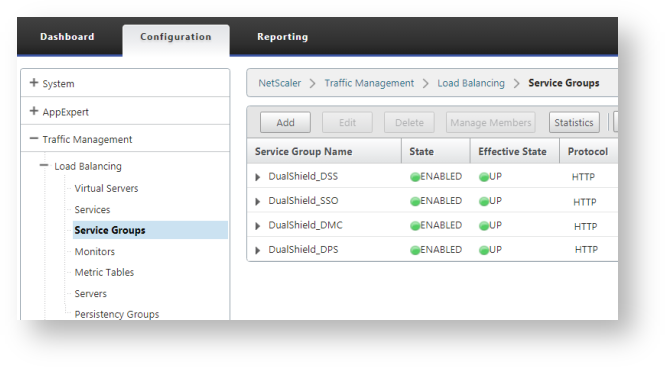
Create Virtual Servers
Now that we have created all service groups, we will create load balancing virtual servers.
Navigate to "Load Balancing > Virtual Serves", click "Add".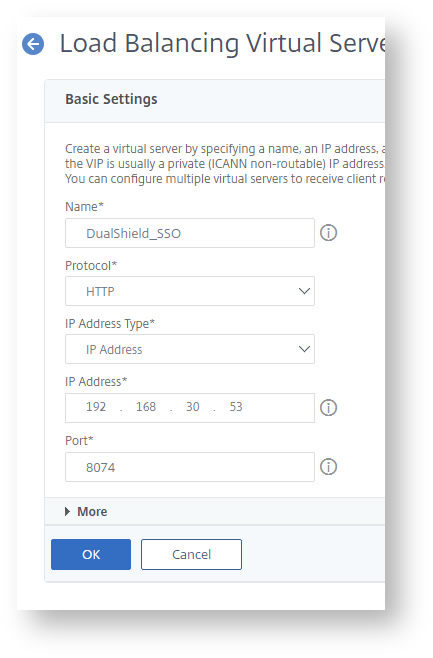
Enter "Name", "IP Address" and "Port" for the virtual server.
Click "OK" to save it.
Now, we need to bind the newly created virtual server to a service group. In this example, we'll bind this virtual server to the DSS service group:
Click "Load Balancing Virtual Service Group Binding"
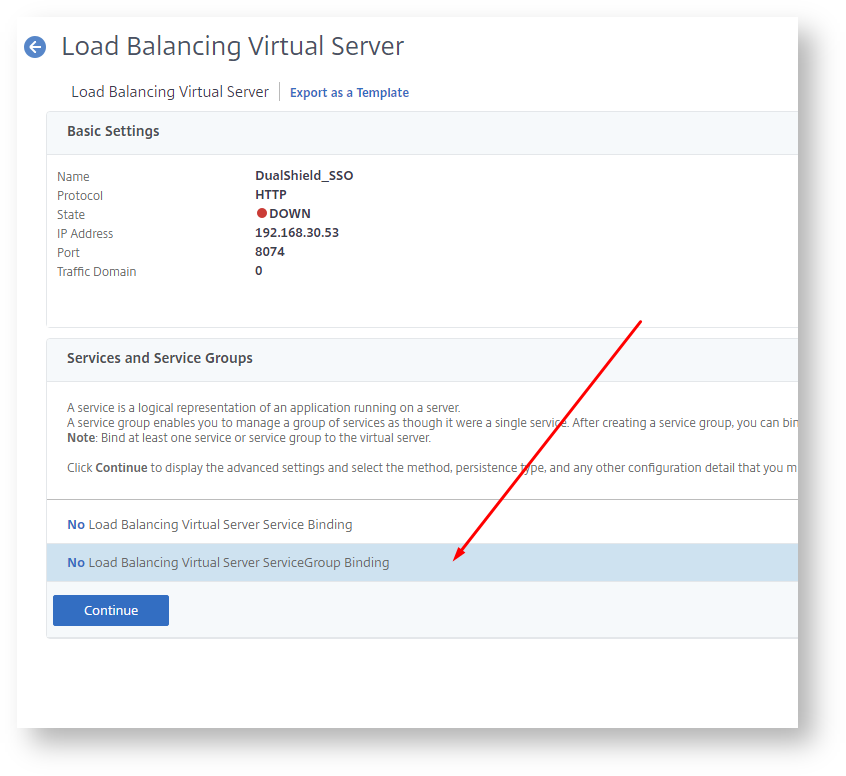
Click "Add Binding"
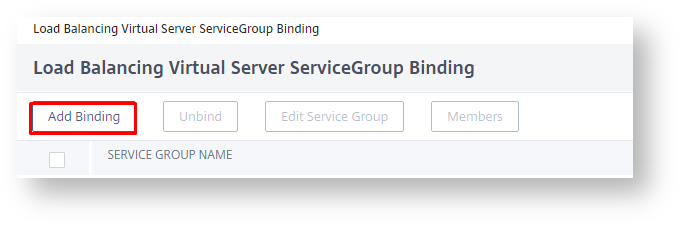
Select the "Service Group Name"
...
Click "Bind", and "Done".
Now, a virtual server has been successfully create for the DualShield SSO.
...
In the Real Servers section, click on the Add New Button

Type the IPv4 Address of the Primary DualShield Server
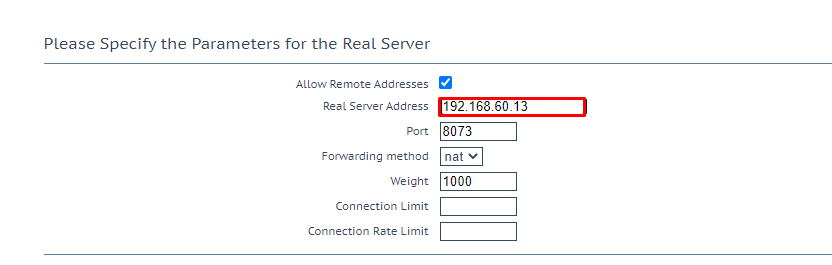
The Port should have autocompleted with the port number you specified when creating the virtual service (see above) If it doesn't please add the port number you are referring to.
Click the Add This Real Server button on the right hand side.
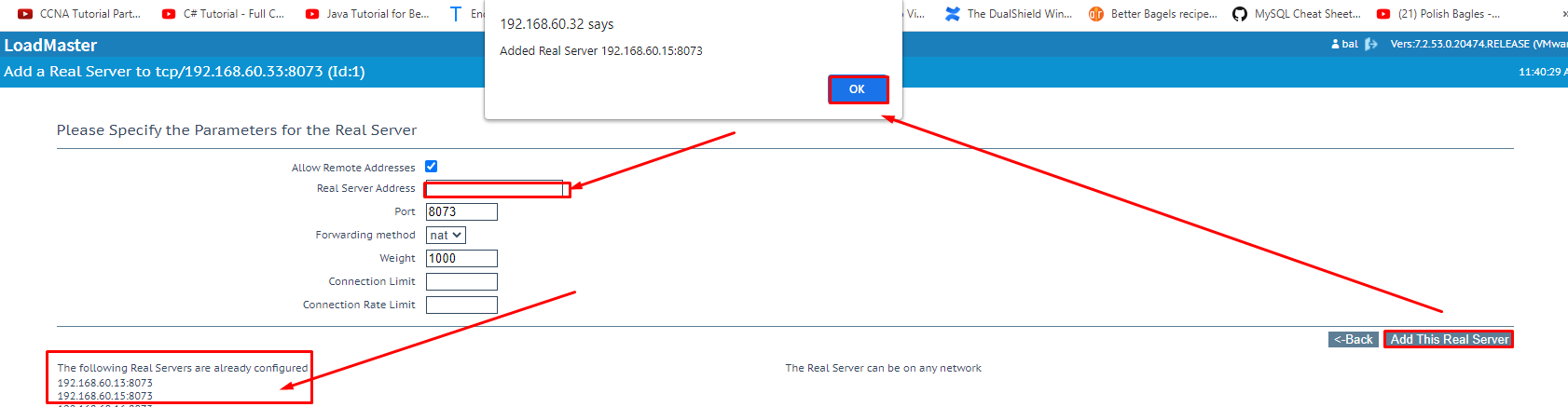
Click OK on the confirmation message at that appears at the top. Repeat the process to add the IP address of the Secondary DualShield Server.
The configured Real Servers will appear on the bottom left hand side.
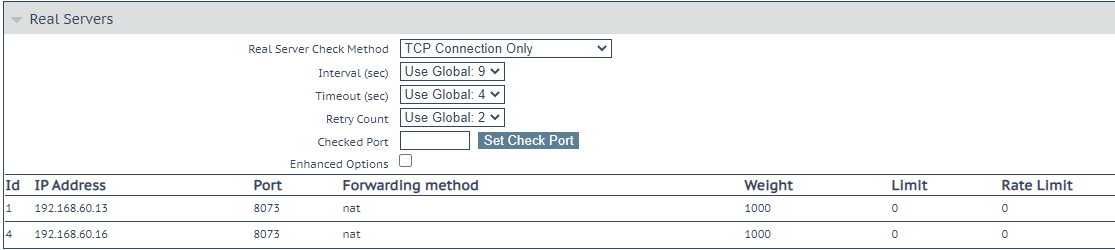
Once completed click on the Back button. The list of real IP's will appear as below.
Click Virtual Services->View/Modifies Services in the main menu again and Add New.
Repeat the steps above, again to add another Virtual Service tied to another Port.
In this example, we have only added Services for ports 8073 and 8074.

Modify DNS
Modify your DNS entry so that the IP for your DualShield Server's FQDN points to the virtual IP you set up in Kemp LoadMaster.
...
Create Persistency Group
The last item we need to create is a Persistency Group.
Navigate to "Load Balancing > Persistency Group", click "Add".
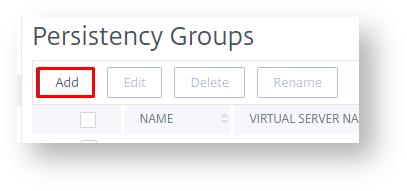
Enter "Name", enable "Use vServer Persistence" and add all the virtual servers we have created.
...