Create a Web logon procedure
- Login to the DualShield Administration Console
- In the main menu, select “Authentication > Logon Procedures”
- Click the “+ CREATE” button on the toolbar, on the right
- Enter a recognisable “Name” and select “Web SSO” as the Type
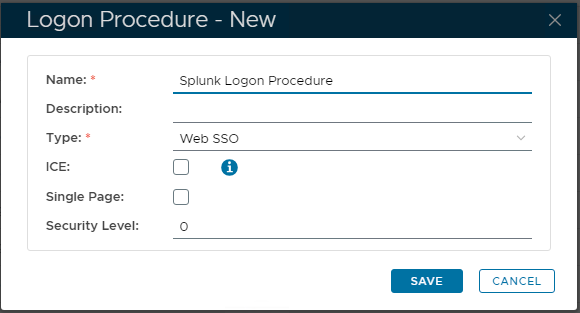
- Click “SAVE”
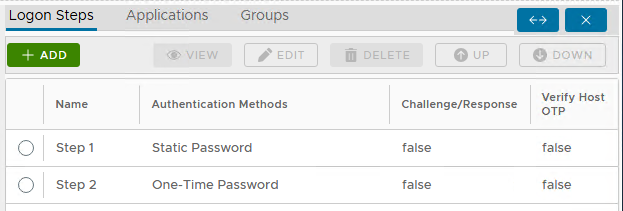
- Click the Context Menu icon of the newly created Logon Procedure, select “Logon Steps”
- In the popup window, click the “+ ADD” button on the toolbar
- Add the necessary Authentication methods here
Create a Web application
- In the main menu, select “Authentication > Applications”
- Click the “+ CREATE” button on the toolbar
- Enter a recognisable “Name”
- Select your internal “Realm”
- Add the newly created Logon Procedure (from the previous step)
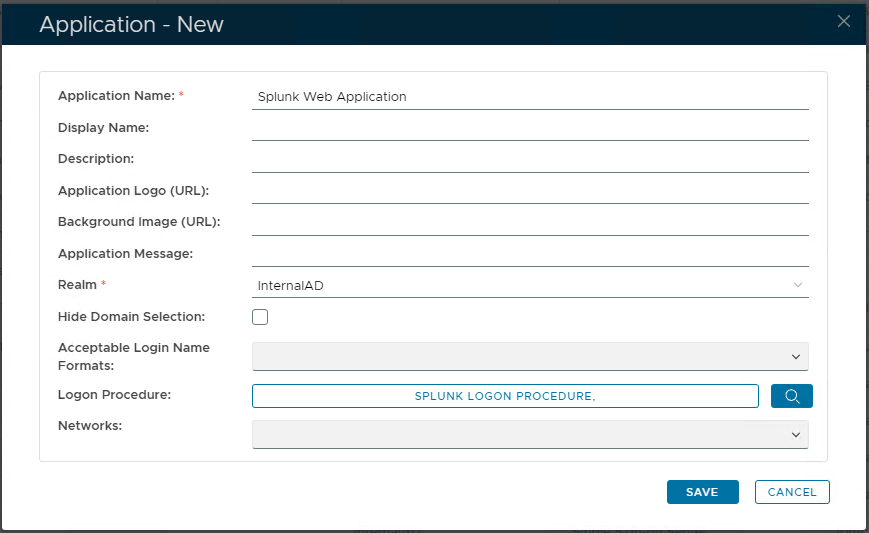
- Click "Save"
- Click the context "..." menu of the newly created Application, then select "Agent"
- Select the "Single Sign-on Server (SSO Server)"
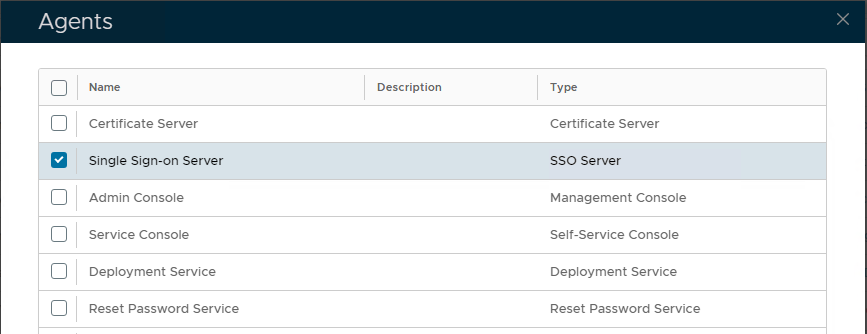
- Click "Save"
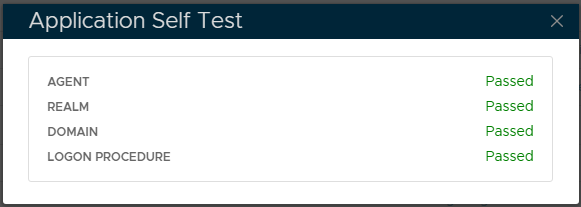
- Click the context "..." menu of the newly created Application, then select "Self Test"
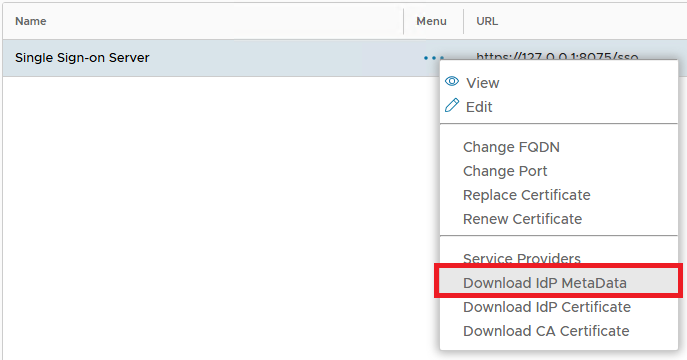
- In the main menu, navigate to " SSO > SSO Servers"
- Click the context "..." menu of "Single Sign-on Server (SSO Server") then select "Download Idp MetaData" .
Note the Name and location of the XML file, saved locally.
- In the main menu, navigate to "SSO | Service Providers"
- Click the "+ CREATE" button in the toolbar
- Select the SSO Server drop-down and select "Single Sign-on Server"
- At the 'Application' drop-down, select the Splunk Application previously created.
- Enter a suitable "Name"
- Set 'Type' as "SAML 2.0"
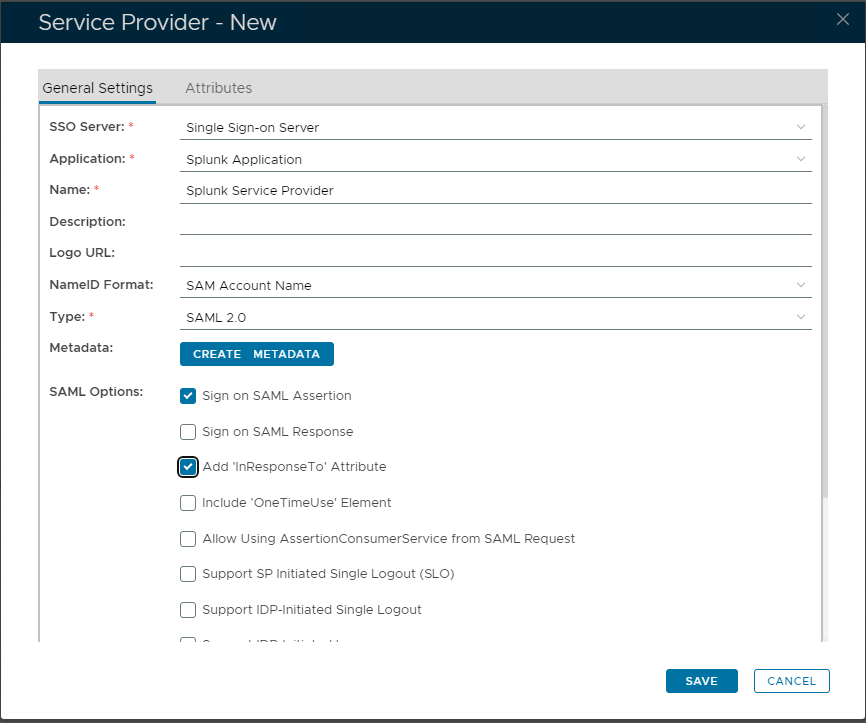
- Select the "CREATE METADATA" button.
- At the window that appears, paste in to the large Metadata textbox, the Service Provider Metadata (contained in SPMetadata.xml).
- Click the "Attributes" tab, to create a new custom Attribute, that will be mapped to a fixed value that match the name of the Splunk group, for instance: "admin"
- Click the "+ CREATE" button
- Location at the drop-down, set as "HTTP Body"
- Name could be entered as "role"
- Beneath the 'Value' section, select "Fixed Value". Then set the Value in the textbox as "admin"
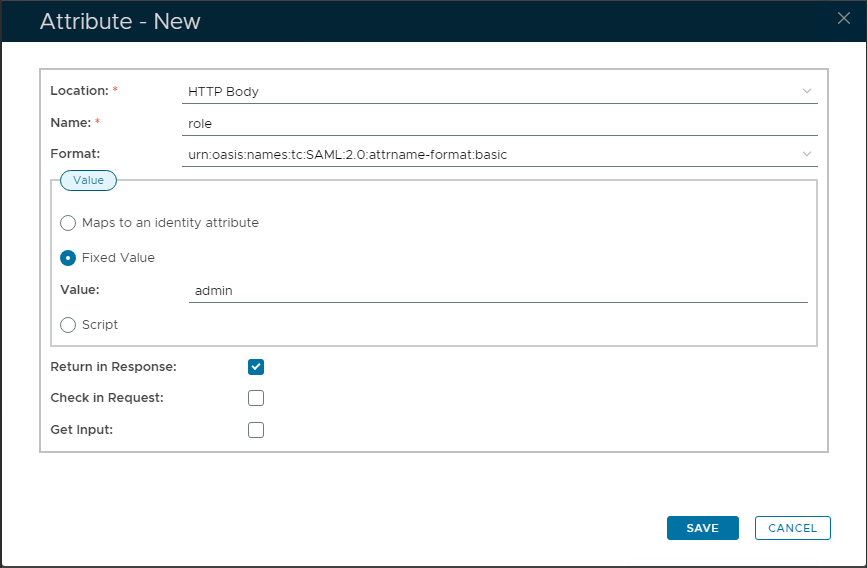
- Click "SAVE" to create the custom attribute.
- Click back to the 'General Settings' tab, of the Service Provider.
- At the 'NameID Format' field, change this field to "User Principle Name".

- Finally select "SAVE", to complete the Service Provider creation process.
{"serverDuration": 52, "requestCorrelationId": "de81e6382d4fb41f"}